



23 Mar Is Brass Jewelry Hypoallergenic? A Guide for Sensitive Skin
Is Brass Jewelry Hypoallergenic? What Sensitive Skin Buyers Need to Know
Choosing jewelry isn’t just about style, it’s also about comfort and how your skin reacts to metals. For anyone with sensitive skin or known metal allergies, the question “Is brass jewelry hypoallergenic?” matters a lot. Brass jewelry can be beautiful and versatile, but it doesn’t always behave like metals that are less likely to irritate skin.
If you’re shopping for pieces you’ll wear every day, and you want to avoid irritation or a brass jewelry allergy, understanding the science behind metals, your skin, and how they interact can save you discomfort down the road.
At House of Jewellery, we believe informed customers make better choices, so this guide breaks down the truth about brass, how hypoallergenic materials differ, and which options are safest if skin sensitivity is a concern.
What “Hypoallergenic” Really Means for Jewelry
When you see the term hypoallergenic jewelry materials or hypoallergenic metals for jewelry, it suggests metals that are less likely to cause an allergic reaction when they contact skin. No magic standard guarantees zero reactions for every person; allergies vary. But some metals have a much lower tendency to provoke skin irritation because they don’t release allergenic ions or contain known triggers like nickel.
For example, metals like platinum, titanium, and high‑karat gold are often recommended for people who react to cheaper materials. These are considered among the best hypoallergenic jewelry metals because they are less likely to interact with sweat or skin chemistry in ways that trigger irritation.
In contrast, materials like brass, which are alloys made of multiple elements, don’t fit neatly into the “hypoallergenic” category.
What is Brass, Really?
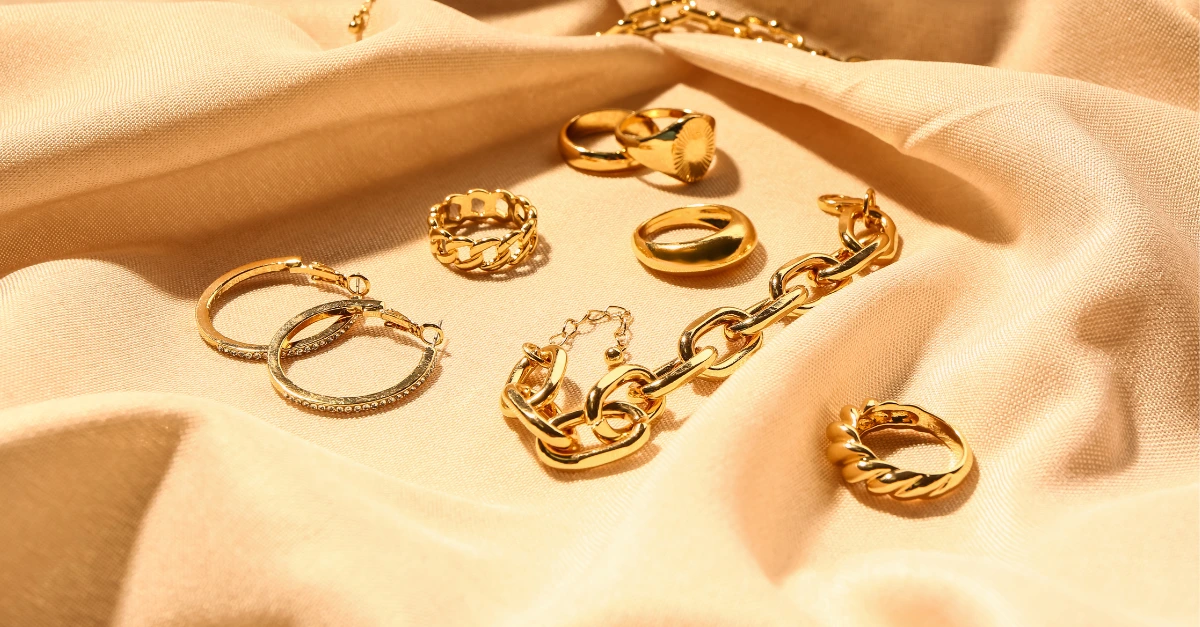
Brass isn’t a pure metal, it’s an alloy. Most commonly, brass is made of copper and zinc mixed in specific proportions, often with small amounts of other metals added for strength or color.
This mix gives brass its attractive yellow‑gold appearance and makes it easy to work with for designers producing decorative jewelry. However, that same complex composition is exactly why brass doesn’t behave the same way as metals known for being gentle on sensitive skin.
Is Brass Jewelry Hypoallergenic?
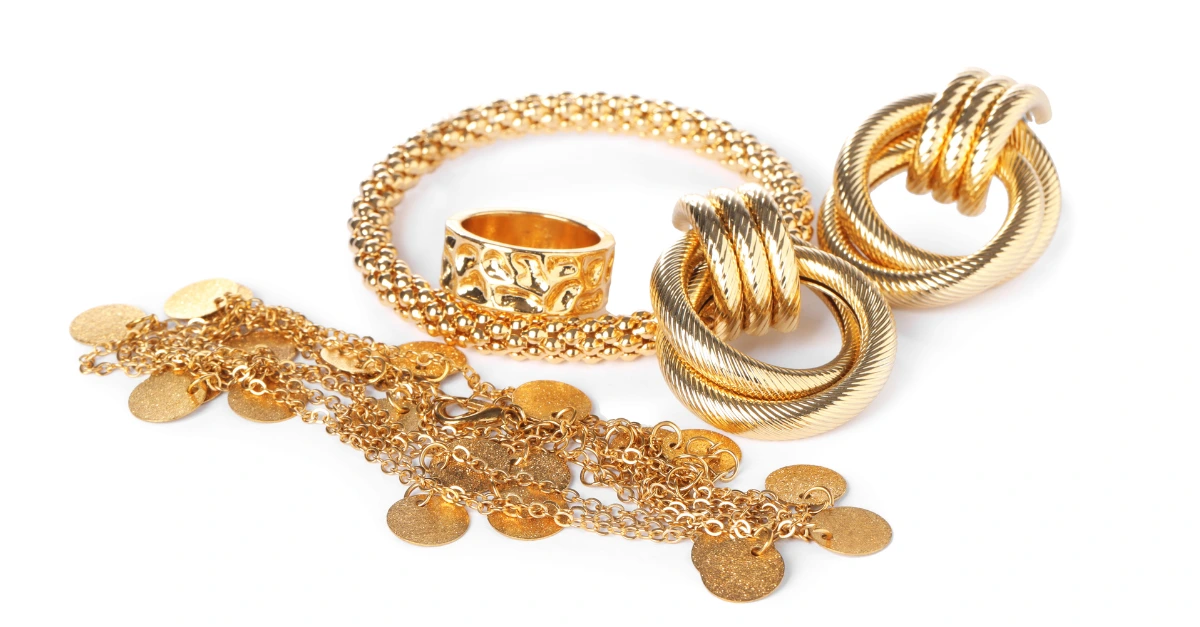
The short answer is no, brass jewelry is not generally considered hypoallergenic. Even though some sources might loosely label brass as “low allergenic,” it doesn’t consistently behave in a way that prevents irritation for everyone.
Because brass is an alloy of copper and zinc, it can release metal ions when it comes into contact with moisture, sweat, or acidic skin environments. In sensitive individuals, this can lead to redness, itching, or a rash where the jewelry touches the skin.
Even more importantly, cheap brass jewelry often contains trace amounts of other metals, including nickel and lead, two elements strongly associated with allergic contact dermatitis. These trace metals can cause reactions in especially sensitive people.
So if you’re shopping for jewelry and the label simply says “brass” without clarifying composition, it’s safest to assume it’s not a guaranteed hypoallergenic option.
Why Sensitive Skin Reacts to Some Metals
Skin irritation from metals happens when tiny amounts of metal ions are released from the jewelry and penetrate the skin barrier. Some people’s immune systems recognize these ions (especially nickel) as threats, triggering inflammation and allergic responses.
Nickel is the most commonly reported metal allergen in jewelry. Many lower‑end brass alloys use small amounts of nickel to increase hardness and improve appearance, but even a tiny percentage can be enough to trigger a reaction.
Copper, the primary metal in brass, can also react with sweat and environmental moisture to form oxidation products. These can cause irritation even if someone isn’t strictly allergic to copper, especially in warmer or humidity‑rich conditions.
What a Brass Jewelry Allergy Looks Like
If you suspect you have a brass jewelry allergy, symptoms usually appear at the point of contact. You might notice:
- Red, itchy skin
- Dry, flaky patches
- Localized rash
- Swelling or warmth around the jewelry area
- In some cases, tiny blisters or oozing
These symptoms are typically a form of contact dermatitis, your immune system’s response to irritation from metal ions or the presence of an allergen like nickel.
If symptoms persist or you’re unsure what’s causing them, a dermatologist can perform a patch test to help identify specific metal sensitivities.
Can Brass Be Made Hypoallergenic?
Some contemporary manufacturers produce brass jewelry designed to reduce the chance of skin irritation. These pieces may use brass alloys formulated without nickel, or they may be coated with protective layers of gold, rhodium, or enamel to prevent direct contact between the brass and your skin.
However, these treatments are not a guarantee. Thin plating can wear off over time, exposing the underlying brass. That’s why even “hypoallergenic brass jewelry” should be approached with caution if you have a known metal allergy.
Safe Alternatives: Hypoallergenic Metals for Jewelry Lovers
If your goal is jewelry that wears comfortably against sensitive skin, focusing on hypoallergenic jewelry metals known for low reactivity is key.
Metals that are widely considered less likely to cause reactions include:
- Titanium: A lightweight, corrosion‑resistant metal with excellent biocompatibility.
- Platinum: A dense, stable precious metal that rarely causes irritation.
- Sterling Silver (when nickel‑free): Often safe for sensitive skin, though alloys must be checked for nickel content.
- High‑Karat Gold (18K+): Less mixed metal content means fewer irritants, though individual allergies can still occur.
- Niobium: Similar to titanium in biocompatibility, often used for earrings or body jewelry.
These metals are commonly recommended by dermatologists and industry professionals as good defaults for sensitive skin, and they often rank among the best options for long‑term wear without irritation.
How to Wear Brass Jewelry Safely
If you love the aesthetic of brass but have sensitive skin, you can manage how it touches your body to reduce the likelihood of irritation.
One practical tip is to limit direct contact. For example, wearing a protective clear coating like a cosmetic lacquer on the part of the jewelry that touches your skin creates a barrier that slows metal ion release. Keeping jewelry dry and removing it before swimming or exercise also helps, because moisture increases oxidation and ion release.
Another strategy is to clean your jewelry regularly. Sweat, lotions, and body oils can accumulate on metal surfaces, accelerating chemical reactions that irritate skin.
When Brass Might Be Okay
Some people wear brass jewelry with no discomfort at all. If you’ve worn similar alloys before without issue, and if the brass jewelry you’re considering is high‑quality with minimal trace irritants, it may be fine.
But if you have any history of metal sensitivity, especially to nickel, brass carries a higher risk than true hypoallergenic jewelry materials. Platinum, titanium, and properly tested gold alloys are safer bets for everyday wear.
Choosing Jewelry at House of Jewellery
At House of Jewellery, we recognize that comfort matters as much as design. Our curated selection emphasizes materials known to be gentle on skin, and we include clear details about metal content so you can make informed decisions. Whether you’re selecting a gift or expanding your personal collection, understanding the difference between alloy types like brass versus precious metals empowers confident buying decisions.
We recommend that anyone concerned about skin reactions look for pieces crafted from metals proven to be more compatible with sensitive skin. This approach balances beauty with lasting comfort.
Final Thoughts
Allergic reactions to metals are a real concern for many jewelry lovers, but they’re often manageable with the right knowledge. Brass jewelry has its place and appeal, but it isn’t typically classified with hypoallergenic jewelry metals. Its potential to release metal ions and contain trace allergens like nickel means it’s more likely to cause brass jewelry allergy symptoms in those who are sensitive.
When shopping for long‑lasting pieces that feel good to wear every day, prioritizing hypoallergenic jewelry materials like titanium, platinum, and nickel‑free gold can make a big difference. Understanding your own skin’s tendencies and choosing metals accordingly will keep your jewelry collection both stylish and comfortable.
FAQs
What are the best hypoallergenic jewelry materials for sensitive skin?
For individuals with sensitive skin, the best hypoallergenic jewelry materials are those that are less likely to cause irritation or allergic reactions. Titanium is widely regarded as one of the best hypoallergenic metals for jewelry. It is lightweight, durable, and corrosion-resistant, making it an ideal choice for sensitive skin. Platinum is another excellent option, as it is hypoallergenic and does not tarnish, making it a long-lasting investment. Niobium is also considered biocompatible, making it a safe option for people with metal sensitivities, especially for body jewelry.
Does gold-plated brass reduce allergy risk?
Gold-plated brass does not completely eliminate allergy risks. While the gold plating provides a barrier between the skin and the brass, this layer can wear off over time due to friction, moisture, or sweat exposure. Once the gold plating degrades, the underlying brass may be exposed, which can potentially cause irritation or an allergic reaction, especially in individuals sensitive to brass or metals like nickel, which is often present in brass alloys.
How can I identify hypoallergenic metals for jewelry before buying?
To identify hypoallergenic metals for jewelry, it is important to look for materials that are specifically labeled as hypoallergenic. Reputable jewelry brands will usually mention if their pieces are made from hypoallergenic metals such as titanium, platinum, niobium, or nickel-free alloys. If the jewelry is not clearly labeled, you can ask the seller about the material composition. High-karat gold, such as 18K or above, sterling silver without nickel, and platinum are generally hypoallergenic metals.
How does brass compare to other hypoallergenic jewelry materials?
Brass is not considered hypoallergenic, especially when compared to metals like titanium, platinum, or high-karat gold. Brass is an alloy made from copper and zinc, and it can cause allergic reactions in some people, particularly if the alloy contains nickel or other trace metals. Nickel is a common cause of allergic contact dermatitis, and many lower-quality brass alloys contain it. In comparison, hypoallergenic metals like titanium, platinum, and 18K gold are less likely to irritate because they are made from purer materials with fewer allergenic properties. Brass jewelry, therefore, may irritate people with metal sensitivities, while hypoallergenic metals offer a safer alternative.
Are hypoallergenic metals for jewelry more expensive?
Yes, hypoallergenic metals for jewelry are typically more expensive than brass or other alloys that contain nickel or other allergens. The higher cost is due to factors such as the material’s purity, rarity, and the more advanced manufacturing processes required. Metals like platinum, titanium, and niobium are less abundant and require specialized equipment to process, which adds to the cost.


No Comments