




23 Mar Jewelry Production Guide: Strategic Material Sourcing for Cost Efficiency
Strategic Material Sourcing: Cost‑Effective Strategies for Jewelry Production
In a jewelry business, the materials you choose and the way you source them can make or break your profitability. Jewelry production depends on complex flows of metals, gemstones, and supplies that move from producers to manufacturers and finally to consumers. Managing that process well, that jewelry supply chain, is essential for keeping costs low, quality high, and customers satisfied.
At House of Jewellery, we understand that smart sourcing isn’t just about finding low prices. It’s about building a reliable system that supports quality, consistency, and cost control.
In this blog, we explain how jewelry makers can design a cost‑effective sourcing strategy, align materials with production goals, and optimize the jewelry supply chain for both small‑scale artisans and larger studios.
The Role of Strategic Sourcing in Jewelry Production
Sourcing materials strategically means more than picking the cheapest supplier. It starts with understanding what materials your business needs, who can provide them consistently, and how those choices affect your margins, inventory, and end value.
Strategic sourcing is a systematic approach that includes:
- Evaluating current spending on materials
- Understanding supplier capabilities
- Assessing total cost implications, not just purchase price
- Negotiating with suppliers for better terms
- Monitoring supplier performance and market conditions
In jewelry production, this process ensures that your jewelry supply chain management delivers reliable materials with predictable quality and cost structures.
A strong sourcing strategy helps you balance value and quality, create long‑term supplier relationships, and reduce risk. Good sourcing decisions impact every stage of production from raw metals to finished pieces.
Why Material Sourcing Matters
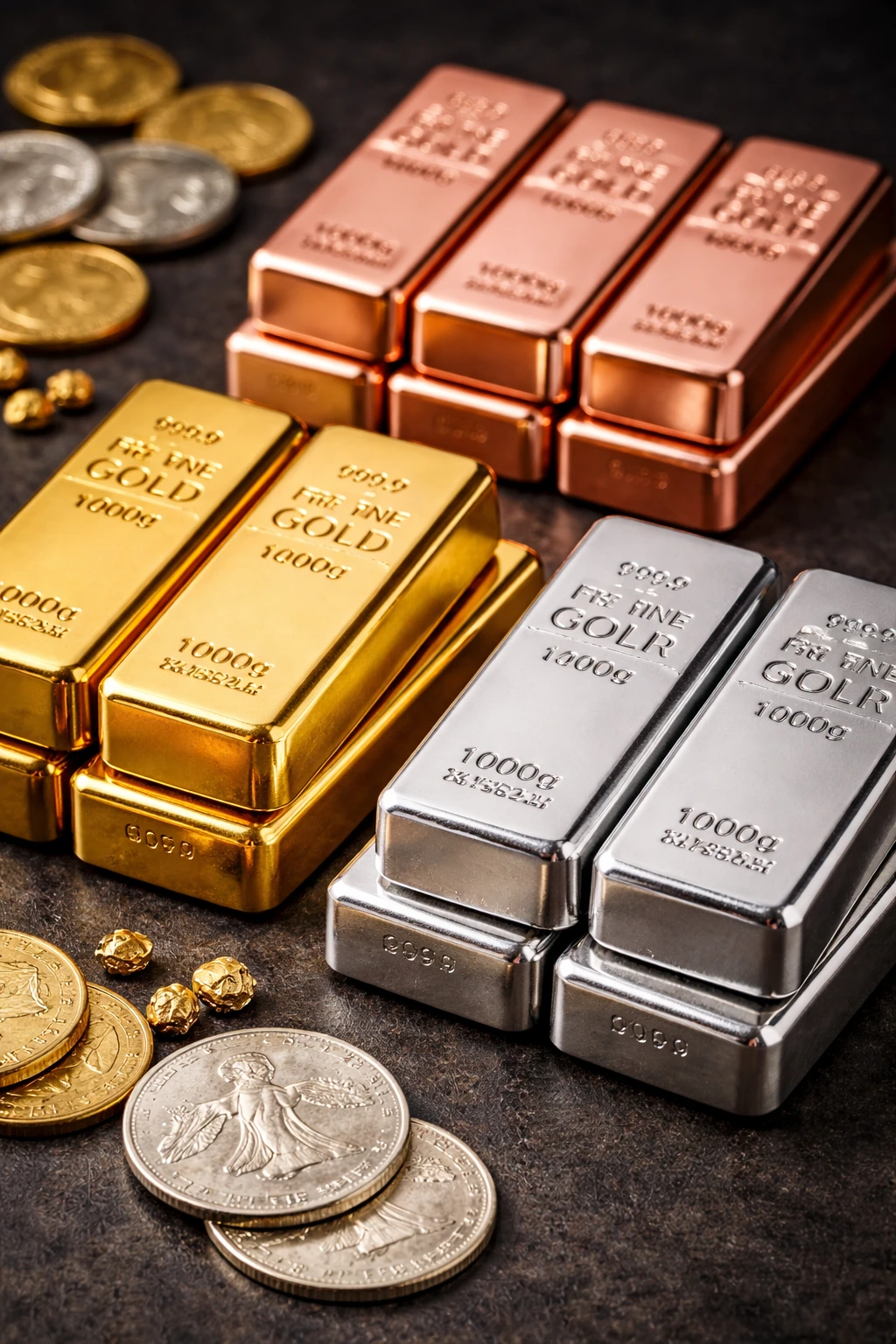
Material sourcing directly influences your cost of goods sold (COGS), which in turn affects pricing, profitability, and competitiveness.
In the jewelry supply chain, materials include precious metals (gold, silver, platinum), gemstones, casting materials, and sometimes bulk jewelry chain supplier inputs like chains and findings. Sourcing these effectively reduces waste, avoids production bottlenecks, and helps you respond to market demand.
Efficient sourcing also provides flexibility in pricing your products. If you secure a stable supply of quality metals at competitive costs, you can price your jewelry with confidence and maintain better profit margins over time.
Mapping Your Jewelry Supply Chain
To control costs, you need visibility into your entire chain for jewelry supplies. A supply chain for jewelry typically includes:
Raw material sources (mines, refiners, recyclers)
- Material suppliers and distributors
- Manufacturers and metal casters
- Quality inspection and finishing partners
- Wholesale or retail partners
Managing this network effectively means tracking where your materials come from, understanding lead times, and knowing who the reliable partners are for each step. A transparent supply chain reduces the risk of delays, quality issues, and unexpected costs.
Today’s customers also expect transparency about where their jewelry materials come from, particularly in precious metals and ethically sourced gemstones. That focus is pushing more brands to build traceability and accountability into their sourcing strategies.
Cost‑Effective Sourcing Strategies That Work
1. Start With Accurate Material Forecasting
One of the first steps in managing costs is knowing what and how much you need. Estimate material usage based on past orders and projected demand. This forecast helps avoid overbuying materials that tie up capital, or under‑ordering and paying premiums for rush delivery.
Good jewelry supply chain management practices align material planning with production schedules to keep inventory lean but sufficient. Forecasting helps you buy in appropriate volumes and reduces storage costs.
2. Build Strong Supplier Relationships
Long‑term relationships with suppliers can unlock better pricing and reliability. Rather than treating sourcing as a transactional activity, treat your suppliers as partners. Over time, suppliers who understand your needs are more likely to offer:
- Bulk discounts
- Flexible payment terms
- Priority access to limited materials
3. Consolidate Purchases When It Makes Sense
Buying materials in larger volumes can reduce unit costs and shipping fees. This is especially true with commodities like silver, gold, or base metals. While large orders require cash flow planning, the cost savings can justify the investment.
4. Evaluate Your Jewelry Supply Chain Performance
Regularly review your supply chain to identify bottlenecks or inefficiencies. This includes:
- Tracking supplier delivery times
- Monitoring material quality
- Evaluating inventory turnover
- Reviewing pricing trends
Ongoing evaluation highlights areas where you can negotiate better terms or switch suppliers to reduce cost without compromising quality.
5. Balance Cost With Quality
While low prices are appealing, poor‑quality materials can lead to production inefficiencies, returns, and reputational damage. In jewelry, where craftsmanship and finish matter, sourcing quality materials ultimately reduces cost over the long term because defective pieces require rework or replacement.
Sustainable and Ethical Supply Chain Practices
Today’s jewelry businesses face increasing scrutiny around the ethics of material sourcing. Consumers are more aware of how materials are obtained and expect transparency in their jewelry supply chain.
- Growing Consumer Awareness: Consumers are increasingly aware of how jewelry materials are sourced and expect transparency in the jewelry supply chain.
- Ethical Material Sourcing: Sourcing certified recycled metals or conflict-free gemstones ensures that your materials have been obtained responsibly, minimizing harm to communities and the environment.
- Higher Upfront Costs: While ethically sourced materials might cost more initially, the long-term benefits, such as enhanced brand value and customer loyalty, often outweigh the extra expense.
- Building Trust with Transparency: Being open about your sourcing practices fosters trust with customers, helping to differentiate your brand in an increasingly competitive market.
Practical Steps for Jewelry Makers
By following these strategies, you can streamline your jewelry production while maintaining high standards for quality and efficiency.
- Work With Trusted Distributors: Partnering with reliable distributors ensures that the materials you source are of the highest quality. Whether you’re purchasing precious metals, findings, or sourcing from a bulk jewelry chain supplier, establishing relationships with reputable suppliers guarantees consistency and quality.
- Understand Material Certification: To protect your brand’s integrity, ensure that the suppliers you work with provide authenticity documentation for metals and gemstones. Certifications verify the purity and ethical sourcing of materials, helping you build trust with your customers and ensuring your products meet industry standards.
- Optimize Inventory and Storage: Efficient inventory management can reduce costs and minimize waste. By tracking your stock levels closely and avoiding over-purchasing, you can ensure that you’re only holding onto materials you can realistically use within a given timeframe.
- Leverage Technology for Better Sourcing Decisions: Utilize software tools to forecast material usage and track supplier performance. Technology allows for better procurement management, helping you spot trends in raw material prices and enabling more informed decision-making.
- Evaluate Supplier Sustainability Practices: Choosing suppliers who follow sustainable and ethical practices in sourcing is key. Not only does this reduce your environmental footprint, but it also aligns your brand with consumer values, particularly those who prioritize responsible sourcing.
How House of Jewellery Enhances Sourcing
At House of Jewellery, we have been dealing in wholesale jewelry supplies since 1986, building long‑standing relationships with global suppliers to bring high‑quality metals and designs to customers. Our buyers travel the world and vet suppliers to ensure competitive pricing without sacrificing quality, which is critical in both retail and production contexts.
Whether you are a designer, retailer, or independent maker, aligning your material choices with a thoughtful sourcing strategy can improve production efficiency and profitability.
Final Thoughts
Strategic material sourcing is about more than immediate savings. It’s about strengthening your jewelry supply chain for long‑term consistency, quality, and cost control. By forecasting material needs, building strong supplier relationships, monitoring supply chain performance, and balancing cost with quality, jewelry makers can optimize production and compete effectively.
Managing a jewelry supply chain well helps your business respond to market trends, maintain customer trust, and sustain growth. Strategic sourcing is not a one‑time effort but an ongoing commitment to efficiency and excellence in jewelry production.
FAQs
What is the jewelry supply chain?
The jewelry supply chain encompasses the entire process involved in producing and distributing jewelry. It starts with sourcing raw materials like precious metals and gemstones, followed by the refining and processing of these materials. The chain continues with the design, manufacturing, and assembly of the jewelry, and concludes with the distribution of finished products to retailers or customers. Each stage of this chain is essential for maintaining product quality, meeting demand, and ensuring timely delivery.
Why is jewelry supply chain management important for cost control?
Jewelry supply chain management plays a vital role in controlling costs because it ensures that every aspect of sourcing, production, and delivery is efficient. By managing the supply chain effectively, businesses can negotiate better prices with suppliers, reduce inventory costs, and streamline production processes. Proper supply chain management helps to avoid overstocking or understocking materials, minimize wastage, and improve operational efficiency.
What should I look for in a bulk jewelry chain supplier?
When selecting a bulk jewelry chain supplier, it’s crucial to prioritize several factors. First, the quality of the chains should be consistent, with materials that are durable and offer the right finish for your jewelry designs. Competitive pricing is also important, as a reliable supplier should offer fair prices without sacrificing quality. It’s also essential to evaluate the supplier’s delivery reliability and lead times. Timely deliveries are key to maintaining smooth operations.
What are the risks in the jewelry supply chain?
The jewelry supply chain faces several risks. One of the main challenges is the fluctuation in the prices or availability of raw materials such as gold, silver, or gemstones, which can be affected by market conditions, geopolitical factors, or environmental issues. Another risk is quality control. If suppliers fail to maintain consistent quality, it can lead to defects in the final product, resulting in returns, damage to your brand’s reputation, and financial loss.
How does technology improve jewelry supply chain management?
Technology significantly enhances jewelry supply chain management by improving transparency, efficiency, and communication. For instance, blockchain technology can provide traceability, ensuring that materials used in jewelry are ethically sourced. Automated inventory management systems allow businesses to monitor stock levels in real-time, minimizing waste and ensuring accurate ordering.

No Comments