


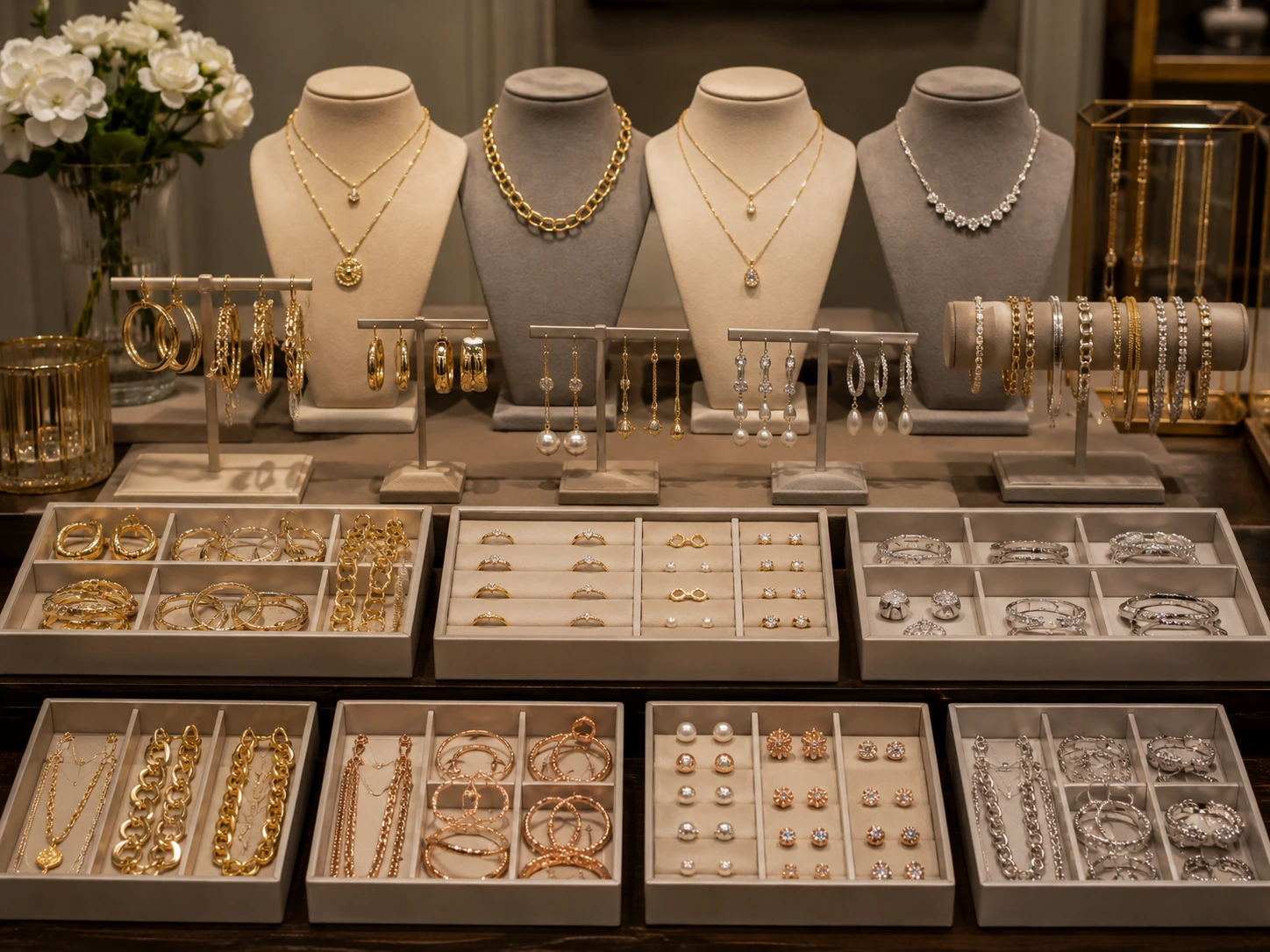
22 May Style-Based Merchandising Tips to Boost Jewelry Store Sales
Style-Based Merchandising: Organizing Jewelry for Better Sales
The best way to organize jewelry is not always by metal, price, or product type. Those systems are useful, but they do not always match how customers shop.
The best way to organize jewelry based on metal, cost, and product type can be great, but does it really match customer behavior? While some customers will know exactly what they are looking for, the majority will come with an idea of the type of jewelry they require.
They could think, “I want something minimalist for daily wear,” or “I am looking for something special for a gift.” And that is when style-based merchandising becomes invaluable.
In place of categorizing each piece according to its technical classification, style-based merchandising categorizes the merchandise based on how consumers perceive themselves. Not only does it make the selection process more accessible for consumers, but it also encourages add-ons, and allows customers to find products they never knew existed.
Let’s break down how to use style-based merchandising to create a stronger jewelry store display, improve the shopping experience, and learn how to increase jewelry sales without relying only on discounts.
What is Style-Based Merchandising?
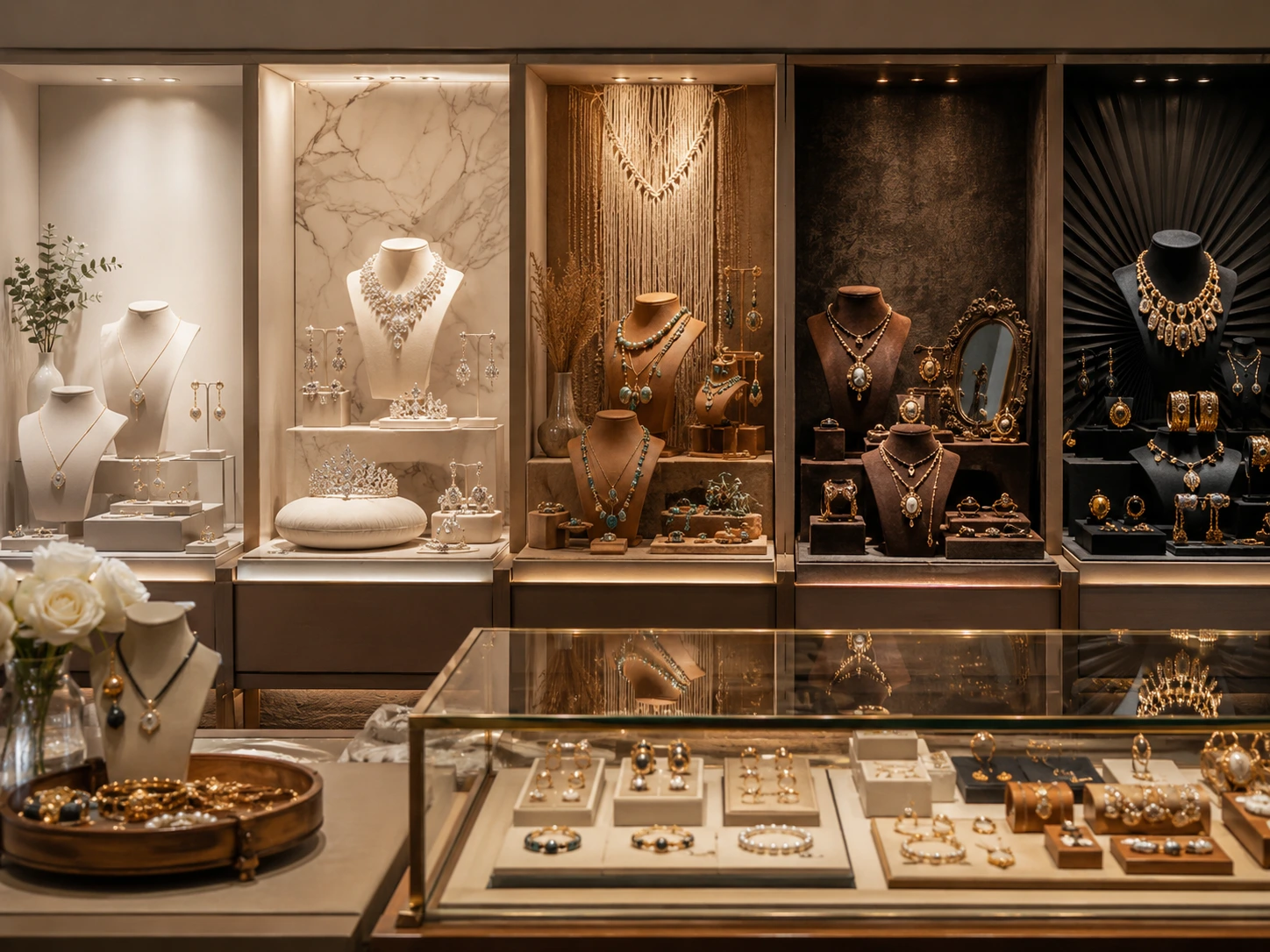
Style-based merchandising means organizing jewelry around customer lifestyles, aesthetics, and buying intentions instead of only by product category. Traditional merchandising might separate:
- Rings
- Necklaces
- Bracelets
- Earrings
- Gold
- Sterling silver
- Diamonds
Style-based merchandising might create sections like:
- Everyday Minimalist
- Modern Romance
- Gold Essentials
- Personalized Charm Bar
- Permanent Jewelry
- Bridal and Occasion
- Bold Statement Pieces
- Gift-Ready Favorites
Both systems have value. The key is not to abandon product categories completely. The goal is to layer style stories onto your product organization so customers can shop with more confidence.
A customer may not know whether they want a huggie, flatback, pendant, or chain. But they probably know whether they want something classic, trendy, sentimental, or luxurious. That is the opportunity.
Why Style-Based Merchandising Works
Style-based merchandising works because it connects your products to the way customers actually shop. Instead of forcing shoppers to compare isolated pieces, it helps them imagine a complete look, a specific occasion, or a personal style. That makes the buying process easier, more emotional, and more profitable for the retailer.
It Matches Real Buying Behavior
Customers often buy jewelry emotionally first and technically second. They are not just buying metal and stones. They are buying a feeling: polished, feminine, bold, meaningful, modern, elegant, or gift-worthy.
When your retail jewelry merchandising reflects those emotions, customers make decisions faster. For example, a customer looking for “everyday jewelry” may respond well to a display that includes:
- Sterling silver huggies
- 10K gold studs
- Simple chain necklaces
- Flat screwback earrings
- Small pendants
- Minimal rings
That display feels useful. It removes guesswork.
It Encourages Cross-Selling
Product-type merchandising often keeps items apart. Earrings live in one case, necklaces in another, bracelets somewhere else. Style-based merchandising brings compatible pieces together.
A “Gold Essentials” story could include:
- 10K gold curb chains
- 14K gold flatbacks
- Gold hoops
- Dainty pendants
- Stackable rings
- Permanent jewelry chains
Now the customer sees a full look, not just one item. That naturally increases basket size.
It Makes Staff Selling Easier
A strong style story gives your team a selling script. Instead of saying, “Here are our new earrings,” staff can say: “These pieces are part of our everyday gold story. They are designed to be worn together, especially the flatbacks, curb chain, and stacking rings.”
That is clearer, more confident, and more persuasive.
The Best Way to Organize Jewelry by Style
The best way to organize jewelry is to combine three layers:
1. Style Story
This is the emotional theme.
Examples:
- Minimalist
- Romantic
- Bold
- Personalized
- Bridal
- Everyday
- Luxury
- Trend-driven
2. Product Mix
This is the assortment inside the style story.
Examples:
- Earrings
- Chains
- Rings
- Bracelets
- Charms
- Pendants
- Permanent jewelry supplies
3. Price Ladder
This gives customers options.
A good display should include entry, mid-range, and premium pieces. For example, a “Modern Sparkle” display could include sterling silver lab-grown diamond pieces, 10K gold diamond accents, and premium 14K lab-grown diamond necklaces.
That lets the customer stay within the style story while choosing the price point that works for them.
Style-Based Jewelry Display Ideas for Retailers
The right jewelry display ideas should do more than look pretty. They should help customers understand what to buy and how to wear it.
Below are practical style stories retailers can build using House of Jewellery product categories.
-
Everyday Minimalist
This section should feel clean, wearable, and easy to shop.
Feature:
- Sterling silver studs
- Sterling silver huggies
- Simple chain necklaces
- 10K gold earrings
- 14K gold flatbacks
- Dainty pendants
- Stackable rings
- Small hoops
Everyday jewelry is one of the easiest categories to sell because customers can justify the purchase. These are pieces they can wear to work, to dinner, while traveling, or while running errands.
This section should answer one question: “What can I wear every day without overthinking it?”
Keep the display simple. Use clean trays, neutral packaging, and clear spacing. Too many pieces crowded together will weaken the minimalist message.
-
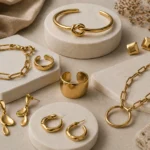
Gold Essentials
Gold is a credibility category. It feels lasting, giftable, and valuable.
Feature:
- 10K gold chains
- 14K gold necklaces
- Gold hoops
- Gold huggies
- Flat screwback earrings
- Gold bracelets
- Gold anklets
- Gold pendants
- Gold findings
House of Jewellery’s 10K and 14K gold assortment gives retailers enough range to build a complete gold story across everyday, gifting, and premium self-purchase.
Gold is familiar. Customers understand it. It also allows for stronger average order values than many fashion-only categories.
Display Tip
Organize by use case:
- Everyday Gold: Small hoops, studs, flatbacks, and delicate chains.
- Statement Gold: Curb chains, bolder hoops, and stronger silhouettes.
- Giftable Gold: Pendants, bracelets, and classic earrings.
-
Personalized Charm Bar
Charm bars are one of the best examples of style-based merchandising because they invite customers to build something personal.
Feature:
- Birthstone charms
- Zodiac charms
- Heart charms
- Evil eye charms
- Pearl charms
- Symbol pendants
- Charm-compatible bracelets
- Charm-compatible necklaces
- Enhancers and connectors
House of Jewellery’s Charm Bar category is especially useful for retailers because it supports personalization, impulse buying, and repeat purchases.
Personalized jewelry sells because it feels specific. A customer may hesitate over a generic necklace, but a necklace with a birthstone, zodiac sign, or meaningful symbol feels made for them.
Charm bars also encourage add-ons. A customer rarely buys only one charm when the display is done well.
Display Tip
Do not just lay charms flat in a tray. Show finished examples.
Create sample combinations:
- Birthstone plus initial-style charm
- Evil eye plus chain
- Heart charm plus pearl accent
- Zodiac charm plus simple bracelet
Customers need to see the final look before they commit.
-
Permanent Jewelry
Permanent jewelry is not just a product category. It is a service experience.
Feature:
- Solid gold permanent chains
- Permanent jewelry charms
- Jump rings
- Chain samples
- Finished bracelet examples
- Appointment signage
- Aftercare cards
- Packaging for post-service purchases
House of Jewellery’s permanent jewelry can help retailers build a service-based revenue stream, not just a case display.
Permanent jewelry creates foot traffic. It works for birthdays, bridal parties, friendship bracelets, mother-daughter appointments, pop-ups, and in-store events.
It also gives customers a reason to visit physically, which matters in a retail environment where many jewelry purchases start online.
-
Natural and Lab-Grown Diamonds
Diamond jewelry should be presented with clarity. Customers need to understand the difference between everyday sparkle, occasion sparkle, and premium investment-style pieces.
Feature:
- Lab-grown diamond necklaces
- Lab-grown diamond studs
- Tennis bracelets
- Diamond rings
- Natural diamond pieces
- Sterling silver diamond-accent styles
- 10K and 14K gold diamond jewelry
House of Jewellery offers both natural and lab-grown diamond jewelry, which gives retailers flexibility for different customers and budgets. Lab-grown diamond jewelry allows retailers to offer sparkle at more accessible price points. Natural diamonds still appeal to customers who prefer tradition, rarity, or classic gifting.
Both can live in the same store, but they need clear merchandising.
Display Tip
Separate by customer need rather than only stone origin:
- Everyday Sparkle: Small studs, delicate pendants, subtle rings.
- Occasion Sparkle: Tennis styles, statement rings, larger pendants.
- Giftable Sparkle: Classic earrings, necklaces, and bracelets.
This makes the display easier to shop and avoids turning the case into a technical lecture.
-
Bridal, Occasion, and Gift-Ready Jewelry
Gift and occasion merchandising should feel polished and easy.
Feature:
- Pearl styles
- Diamond earrings
- Gold pendants
- Tennis bracelets
- Classic studs
- Romantic heart motifs
- Matching sets
- Elegant packaging
Gift buyers want confidence. They do not want to decode your entire assortment. They want to know, “Is this a good gift?”
A strong gift display reduces hesitation.
Display Tip
Use signs with clear buying cues:
- Gifts under $100
- Classic gifts
- Bridesmaid favorites
- Anniversary-ready pieces
- Mother’s Day favorites
- Graduation gifts
This is one of the simplest ways to improve how to increase jewelry sales during seasonal periods.
How Packaging Supports Style-Based Merchandising
Packaging is not an afterthought. It is part of the sale.
House of Jewellery’s packaging and display solutions can help retailers create a more finished customer experience. Good packaging helps jewelry feel more valuable, more giftable, and more brand-right.
For style-based merchandising, match packaging to the story.
- Minimalist Jewelry: Use clean cards, soft tones, and simple boxes.
- Gold and Diamond Jewelry: Use premium boxes and displays that support a higher perceived value.
- Charm Bar: Use cards or small packaging that makes multiple charms feel collectible.
- Permanent Jewelry: Use aftercare cards, small pouches, and branded packaging for related purchases.
A good display gets attention. Good packaging closes the loop.
Final Thoughts
The best way to organize jewelry is to think less like a stockroom and more like a shopper. Customers want guidance. They want ideas. They want to see how pieces work together. Strong retail jewelry merchandising turns individual products into a clear buying story.
For House of Jewellery retailers, the opportunity is especially strong because the assortment supports multiple profitable style stories: sterling silver essentials, gold classics, lab-grown and natural diamond jewelry, permanent jewelry, charm bars, packaging, and private label options.
FAQs
How does style-based merchandising help increase jewelry sales?
Style-based merchandising helps increase jewelry sales by organizing products around how customers actually shop: by look, occasion, lifestyle, and emotion. Instead of browsing isolated categories like rings, chains, or earrings, customers see complete style stories such as everyday gold, personalized charms, bridal sparkle, or minimalist essentials, making it easier to imagine wearing the pieces and buy multiple items together.
What are some effective jewelry display ideas for retail stores?
Effective jewelry display ideas include grouping pieces by style, creating complete looks, using clear signage, and building displays around customer needs. Retailers can create sections such as “Everyday Minimalist,” “Gift-Ready Gold,” “Personalized Charm Bar,” “Modern Sparkle,” or “Permanent Jewelry” using House of Jewellery products like sterling silver huggies, 10K and 14K gold pieces, lab-grown diamond jewelry, charm pendants, and permanent jewelry chains.
How can a jewelry store display impact customer buying behavior?
A jewelry store display can influence what customers notice, how long they browse, and how confidently they buy. A clean, well-organized display helps shoppers understand style, value, and pairing options quickly, while complete looks, such as a necklace displayed with matching earrings, a bracelet, and compatible charms, can encourage add-on purchases.
How can retail jewelry merchandising drive higher conversions?
Retail jewelry merchandising drives higher conversions by making the buying path clearer. When jewelry is organized into style stories with simple signage, bestsellers placed visibly, and clear price ladders, customers can quickly understand what the pieces are for, who they suit, and what pairs well, which leads to faster and more confident purchases.
How can style-based merchandising highlight high-margin jewelry pieces?
Style-based merchandising highlights high-margin jewelry pieces by placing them inside complete, desirable style stories instead of displaying them alone. Premium pieces such as 14K gold flatbacks, lab-grown diamond necklaces, tennis bracelets, or permanent jewelry charms can be featured in curated sections like “Everyday Luxury,” “Modern Sparkle,” or “Gold Essentials,” making the upgrade feel natural rather than forced.

No Comments