



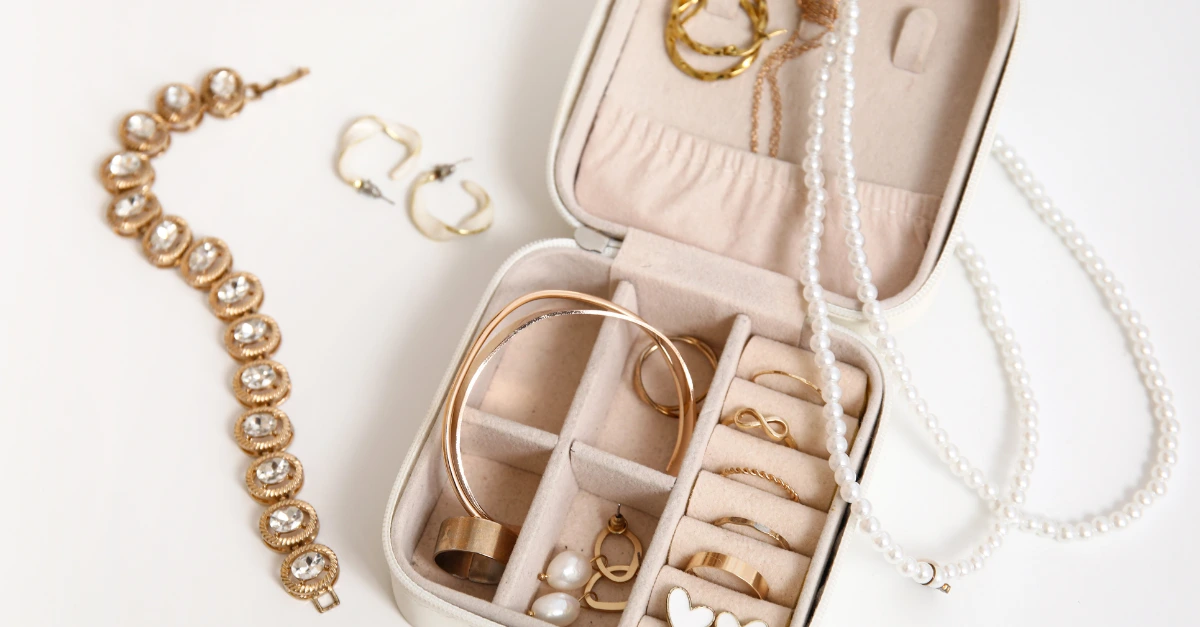
10 Feb The Role of Jewelry Plating Thickness in Long-Lasting Quality
How Jewelry Plating Thickness Impacts Longevity
Have you ever purchased a shiny object and then, after wearing it for a few more weeks, saw that its color changed, as if it had an entirely new personality. It was generally an issue with the thickness, and some real-life wear and tear.
Plating may appear premium, feel premium, yet wear out very quickly when the layer is too thin to the usage of the piece. The objective was straightforward, align the plating depth with the work the jewelry was to perform, be it daily wear, occasional wear, or special event and back in the box.
This guide simplified the meaning of the plating thickness, why it was important, and how to go shopping smarter so that pieces lasted long and they were attractive.
Why Thickness Mattered More Than Most People Realized
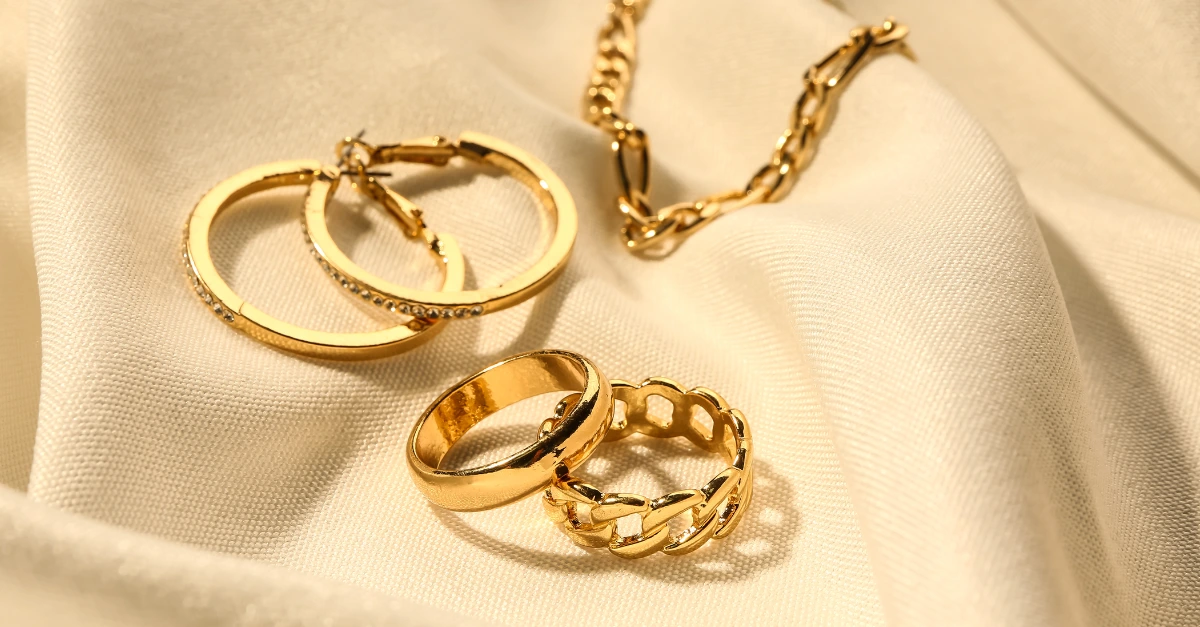
Plating was a thin metal layer applied over a base metal to change color, improve shine, and add some protection. Jewelery plating sounded like a small detail, but thickness controlled how long that top layer could survive friction, sweat, soap, and the constant micro-scratches of daily life.
Think of plating like paint on a wall. A super thin coat could look fine on day one, then scuff quickly. A thicker, well-applied layer handled contact better and stayed consistent for longer.
Microns, Explained without the Science Headache
Plating thickness is often measured in microns. A micron was tiny, so tiny that the number sounded irrelevant. In practice, those microns decided whether a piece stayed bright for months or started fading after a few weekends.
The most common reason for early wear was not “bad jewelry.”
It was a mismatch between thickness and lifestyle.
The Real-world Enemies of Plating
Even a solid plating job got tested by:
- Friction (rings and bracelets took the hardest hits)
- Sweat and skin oils
- Water exposure (showers, pools, handwashing all day)
- Chemicals (perfume, lotion, sanitizer, cleaning sprays)
- Abrasion (rough storage, tossing pieces in a bag, wiping with a harsh cloth)
The thinner the plating, the faster these forces pushed through to the base metal underneath.
What “Thin” and “Thick” Looked Like in Practice
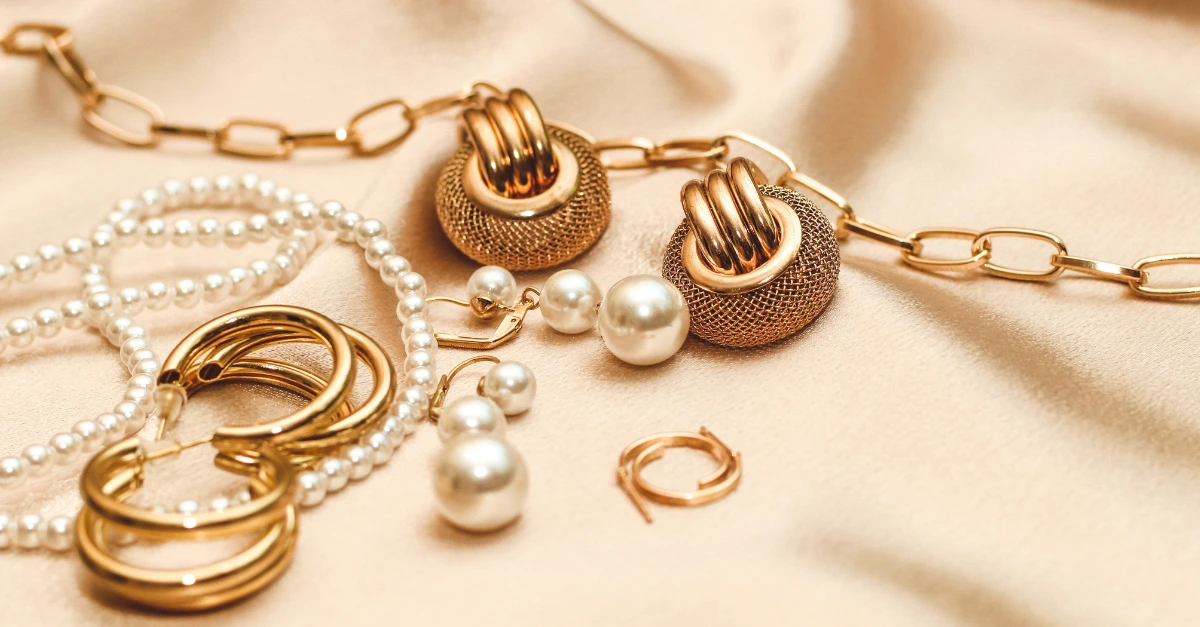
There was no single global rule because manufacturers used different processes and base metals. Still, the industry tended to fall into a few practical bands.
Common Thickness Ranges People Ran Into
- Flash plating: very thin, often used for quick shine or fashion pieces
- Light plating: better than flash, still not built for heavy daily wear
- Standard plating: held up decently with reasonable care
- Thicker plating: lasted longer, especially on higher-contact pieces
A lot of gold-plated jewellery looked identical in photos across these bands. The difference only showed up after weeks of wear.
Why Rings and Bracelets Wore Out Faster
Gold rings and bracelets lived on the front lines. They rubbed against desks, steering wheels, handbags, gym equipment, and basically the entire modern world. That constant contact sanded the plating down over time, even when the wearer did everything “right.”
Chains and earrings generally lasted longer because they saw less friction, especially if they stayed away from water and chemicals.
The Main Types Of Jewelry Plating, And How They Age
Different processes created different results. The layer could be thinner or thicker, harder or softer, more porous or more sealed. Understanding the types of jewelry plating helped set expectations.
Electroplating
Electroplating was the most common method for applying precious metals like gold onto a base. Longevity depended heavily on prep work, the quality of the bath, and the thickness.
What to know:
- It could be done thin or thick
- It could look great initially, even when thin
- It wore down faster on high-contact items if the layer was light
Vermeil
Vermeil usually meant sterling silver with a thicker gold layer applied on top. It often lasted better than light gold plating because the standard tended to be higher, and the base metal was sterling silver.
What to know:
- It generally aimed for a more durable gold layer
- It often costs more than basic plating
- It still needed care, especially around water and chemicals
PVD Coating
PVD was a coating process that could create a harder, more wear-resistant surface. It was popular in watches and some jewelry lines.
What to know:
- It could be more abrasion-resistant than standard plating
- Quality varied, so specs still mattered
- It worked well for people who wore pieces daily
Rhodium Plating
Rhodium showed up a lot on white gold, silver, and costume pieces because it boosted shine and helped resist tarnish.
What to know:
- It wore off over time on high-friction spots
- It often needed reapplication for long-term brightness
Mentioning types of jewelry plating was not about becoming a metal nerd. It was about knowing what questions to ask before buying.
How Gold Plating Thickness Changed the Lifespan
Here was the key: gold plating thickness was basically a durability dial. Turning it up usually improved longevity, especially on pieces that got worn daily.
But thickness was only part of the story. Base metal, topcoat, and finishing quality mattered too. Still, thickness was the easiest spec to ask for and the easiest lever to control.
A Practical Way to Think about Thickness Choices
Instead of obsessing over one “perfect” number, it helped to match the thickness to the use:
Daily wear pieces
Rings, bracelets, and anything worn every day benefited from a thicker application. Daily wear meant daily friction, and friction slowly ate the plating.
Occasional wear pieces
Necklaces and earrings worn a couple of times a month could do fine with standard thickness, especially with good care.
Fashion rotation pieces
If a piece was meant for quick styling, then a lighter plating layer might still be acceptable. Expectations needed to match reality.
Questions That Actually Mattered When Buying
When evaluating gold-plated jewellery, these questions did the heavy lifting:
- What was the base metal (brass, stainless steel, sterling silver)?
- Was the plating measured in microns, and was the number disclosed?
- Was there a protective topcoat?
- Was the piece meant for daily wear or occasional wear?
- Was replating offered, and what did it cost?
Asking about gold plating thickness was one of the quickest ways to separate “pretty for now” from “built to last longer.”
Silver-plated Pieces and Longevity
Silver plated jewellery tended to face a different challenge: tarnish and surface dulling. Silver plating could look bright and clean at first, then lose that crisp shine if exposed to moisture, air, and skin chemistry.
Thickness still mattered, but care mattered even more because silver reacted to the environment.
What Made Silver Plating Wear Out Faster
- Frequent exposure to water
- Humid storage areas
- Contact with lotions and perfumes
- Leaving pieces out instead of storing them properly
A protective layer like rhodium could help, but it also wears off over time, especially on high-contact spots.
Habits That Quietly Wrecked Plating
Nobody tried to ruin their jewelry. It happened because jewelry lived around modern routines. These were the biggest culprits:
- Wearing pieces in the shower
- Swimming in pools or the ocean
- Spraying perfume or hairspray after putting jewelry on
- Applying lotion and letting it sit on the piece
- Cleaning with abrasive cloths or harsh cleaners
- Throwing jewelry into a bag where it rubbed against keys or other metal
If longevity mattered, the best move was treating plated jewelry like a “put on last, take off first” item.
Shopping Smarter, Without Turning It into a Whole Project
A plated piece could still be a great purchase. The trick was choosing it with realistic expectations and getting the specs when possible. That was especially true for Jewelry plating in wholesale or trade settings, where consistent quality was essential across batches.
This was where a supplier that shared details made life easier. A trade-focused store like House of Jewellery was the kind of place where buyers often asked for plating specs, base metal info, and category-level consistency, especially when ordering for resale.
Care That Extended Life Without Being Annoying
A little care went a long way. The goal was not perfection. The goal was to reduce unnecessary wear.
A Simple Routine That Kept Plating Looking Better
- Put jewelry on after perfume and lotion dried
- Remove jewelry before showering, swimming, or working outs
- Wipe gently with a soft cloth after wearing
- Store pieces separately to reduce scratching
- Keep pieces away from humid bathrooms when possible
This mattered for gold-plated jewellery, and it mattered for silver-plated jewellery too, just for slightly different reasons.
When Replating Made Sense
Plating wearing down did not always mean the piece was “done.” Replating could restore the look, especially if the underlying piece was still structurally solid.
Replating was most worth it when:
- The design was a favorite and was often
- The base metal was in good condition
- The cost of replating was reasonable compared to replacement
For people who loved the look of plated styles but wanted longer wear, choosing a piece with stronger specs upfront plus a plan for eventual replating was a solid approach.
The Takeaway
Plated jewelry’s longevity was not a mystery. It usually came down to thickness, wear pattern, and care. Gold plating thickness mattered because it set the starting line for durability. The more friction and exposure a piece faced, the more thickness and better finishing paid off.
FAQs
How does jewelry plating thickness affect longevity?
With jewelry plating, thickness acted as a wear buffer. A thicker layer handled friction, sweat, soap, and tiny scratches for longer before the base metal started showing through. Thin plating could still look great on day one, but it tended to fade faster on high-contact pieces like rings and bracelets because the surface got rubbed down constantly.
What is the best gold plating thickness for durability?
For real durability, gold plating thickness in the 2 to 3 micron range usually held up best for regular wear, especially on bracelets and rings. Around 1 micron could work for lighter wear pieces like earrings or necklaces if care was decent. If the piece was worn daily and took a beating, thicker plating plus good finishing mattered more than marketing labels.
How long does gold plated jewellery typically last?
Gold-plated jewellery typically lasted anywhere from a few months to a couple of years, depending on thickness, how often it was worn, and exposure to water and chemicals. Daily wear, frequent handwashing, and sanitizer use shorten lifespan fast. Occasional wear with careful storage stretched it much longer.
Is silver-plated jewellery affected by plating thickness?
Yes, silver-plated jewellery was affected by thickness, but it was also affected by tarnish and environmental exposure. Thicker silver plating generally took longer to wear through, especially on edges and contact points. Even with decent thickness, storage and moisture control still mattered because silver could dull or tarnish from air and humidity.
Which types of jewelry plating last the longest?
Among the types of jewelry plating, the longest-lasting options usually came from processes and materials built for wear resistance, not just shine. PVD coatings often wear well because the surface can be harder, and thicker traditional electroplating lasts longer than light or flash plating. Vermeil also tended to perform better than basic plating because it usually used a stronger standard of thickness than sterling silver.


No Comments